Community Grants Explained for Not-for-Profit Organisations
Community Grants Explained for Not-for-Profit Organisations

Community grants are one of the most valuable funding sources available to Australian not-for-profit (NFP) organisations. Whether you're delivering youth programs, supporting vulnerable families, improving community facilities, promoting environmental sustainability, or running health initiatives, community grants can provide the financial support needed to turn great ideas into meaningful outcomes.
However, many organisations miss funding opportunities because they don't fully understand how community grants work, where to find them, or what funding bodies are looking for.
This guide explains everything your organisation needs to know about community grants and how to improve your chances of securing funding.
What Are Community Grants?
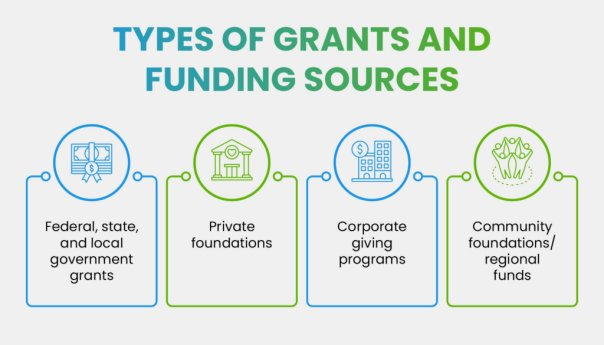
Community grants are financial contributions provided by governments, local councils, corporate organisations, philanthropic foundations, and charitable trusts to support projects that deliver measurable benefits to communities.
Unlike loans, grants generally do not need to be repaid, provided the funding is used according to the agreed grant conditions and reporting requirements.
Community grants are designed to help organisations:
· Improve community wellbeing
· Deliver social services
· Support disadvantaged groups
· Build stronger local communities
· Increase participation in sport, arts, culture, and recreation
· Protect the environment
· Develop community infrastructure
Across Australia, community grants are available throughout the year from federal, state, local government, corporate, and philanthropic funding programs. Government grant opportunities are commonly published through central grant portals alongside individual agency and council programs.
Who Can Apply?
Eligibility varies between funding programs, but most community grants are aimed at incorporated not-for-profit organisations established as charities.
Common eligible applicants include:
· Incorporated Associations
· Registered Charities
· Public Benevolent Institutions (PBIs)
· Indigenous organisations
· Sporting clubs
· Community groups
· Cultural organisations
· Environmental organisations
· Social enterprises (where eligible)
Some grants also include applications from:
· Schools
· Local governments
· Universities
· Partnerships between organisations
· Auspiced community groups
Before applying, always check the grant guidelines carefully, as eligibility requirements differ between funding bodies.
Types of Community Grants
Community grants come in many forms depending on the objectives of the funding provider.
Government Community Grants
Federal, state, and local governments regularly fund projects that improve social outcomes, build infrastructure, support employment, encourage innovation, and strengthen communities.
These grants often provide larger funding amounts but involve more competitive application processes.
Corporate Community Grants
Many Australian businesses invest in local communities through corporate grant programs as part of their corporate social responsibility (CSR) initiatives.
These grants commonly support:
· Community wellbeing
· Mental health
· Education
· Environmental projects
· Youth development
· Regional communities
Philanthropic Foundations
Private and public foundations provide grants to organisations whose missions align with their charitable objectives.
These grants often support:
· First Nations
· Health initiatives
· Social inclusion
· Disability services
· Arts and culture
· Education
· Environmental conservation
Local Council Grants
Councils frequently offer grants for projects that improve local neighbourhoods.
Funding may support:
· Festivals
· Sporting clubs
· Community events
· Small infrastructure
· Volunteer programs
· Local environmental initiatives
What Can Community Grants Fund?
Funding priorities vary, but common eligible expenses include:
· New community programs
· Equipment purchases
· Community events
· Volunteer training
· Facility improvements
· Capital works
· Educational initiatives
· Environmental restoration
· Technology upgrades
· Capacity building
· Program expansion
Some grants also provide funding for operational costs where they directly support project delivery.
What Assessors Look For
One of the biggest misconceptions is that grants are awarded simply because an organisation is doing worthwhile work.
Funding bodies assess applications based upon the project aligning directly with the policy under which the program is designed.
Strong applications clearly demonstrate:
Community Need
Explain the problem using reliable evidence.
Support your application with:
· Statistics
· Community consultation
· Research
· Local data
· Demand for services
· Letters of support
Project Outcomes
Assessors want to know:
· What will change?
· Who benefits?
· How many people will benefit?
· Why does this project matter?
The clearer the outcomes, the stronger the application.
Value for Money
Grant providers want confidence that funding will deliver measurable benefits.
Budgets should be:
· Accurate
· Realistic
· Transparent
· Well justified
Every expense should directly contribute to project outcomes.
Organisational Capacity
Funders also assess whether your organisation can successfully deliver the project.
This includes:
· Governance
· Financial management
· Previous experience
· Staff capability
· Partnerships
· Risk management
Common Reasons Grant Applications Fail
Many quality organisations miss out because their applications fail to address key assessment criteria.
Some of the most common mistakes include:
· Applying for grants without checking eligibility
· Weak evidence of community need
· Unclear project objectives
· Unrealistic budgets
· Poorly written responses
· Missing supporting documentation
· Leaving applications until the final day
Successful grant writing requires careful planning rather than simply completing an application form.
How to Improve Your Chances of Success
While no grant can ever be guaranteed, there are proven ways to strengthen your applications.
Be Grant Ready
Maintain up-to-date governance documents, financial statements, insurance certificates, strategic plans, and organisational policies so you're ready when funding opportunities open. Many grant programs encourage organisations to prepare project plans before applications open to improve the quality of submissions.
Match the Project to the Grant
Don't try to make your project fit every funding opportunity.
Instead, apply only where your objectives closely align with the funder's priorities.
Use Evidence
Strong applications rely on facts rather than assumptions.
Include:
· ABS data
· Community surveys
· Research reports
· Local needs analysis
· Stakeholder feedback
Tell a Compelling Story
Statistics are important, but stories demonstrate real community impact.
Explain how your project will improve people's lives.
Develop Partnerships
Collaborating with councils, schools, businesses, or other community organisations often strengthens applications by demonstrating broader community support.
Why Professional Grant Writing Makes a Difference
Many organisations have passionate staff and volunteers but limited time to prepare competitive applications.
Professional grant writers understand:
· Assessment criteria
· Funding priorities
· Grant guidelines
· Budget development
· Evaluation frameworks
· Evidence-based writing
Working with experienced grant specialists can significantly improve the quality, clarity, and competitiveness of your submissions.
At Grants Funding Partners, we work alongside Australian not-for-profit organisations to identify suitable funding opportunities, develop compelling grant applications, and maximise funding success. Our approach combines strategic planning, persuasive writing, and evidence-based project design to help organisations secure funding that creates lasting community impact.
Final Thoughts
Community grants remain one of the most effective ways for Australian not-for-profit organisations to expand services, strengthen communities, and deliver projects that create lasting social impact.
Understanding eligibility requirements, selecting the right funding opportunities, preparing well-supported applications, and clearly demonstrating community benefit are all essential ingredients for success.
Whether your organisation is applying for its first community grant or managing a long-term funding strategy, investing time in quality grant preparation can make a significant difference to your funding outcomes.
If your organisation needs expert support identifying grant opportunities or preparing competitive applications, Grants Funding Partners can help you navigate the process with confidence.
FAQ
What is a community grant?
A community grant is funding provided by government, councils, businesses, or philanthropic organisations to support projects that deliver measurable community benefits. Grants usually do not require repayment if funding conditions are met.
Who is eligible for community grants?
Most community grants are available to incorporated not-for-profit organisations, charities, sporting clubs, Indigenous organisations, and community groups. Eligibility varies between funding programs.
How competitive are community grants?
Many grant programs receive far more applications than available funding. Organisations that clearly demonstrate community need, strong governance, measurable outcomes, and value for money generally perform better.
Can small organisations apply for grants?
Yes. Many grant programs are specifically designed to support small community organisations and grassroots initiatives.